
Tips for Enjoying Gorilla Trekking: Guide for a Memorable Gorilla Safari
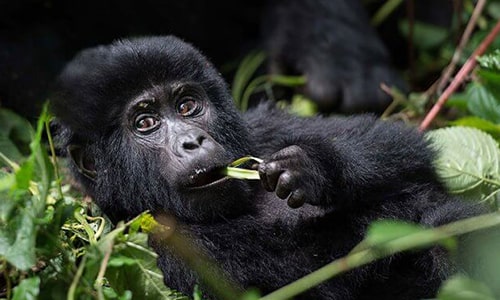
Tips for Enjoying Gorilla Trekking are essential for anyone planning to visit the mountain gorillas of Uganda, Rwanda, or the Democratic Republic of Congo. Gorilla trekking is one of the most remarkable wildlife experiences in the world, offering visitors the rare opportunity to observe endangered mountain gorillas in their natural habitat. Standing just a few meters away from a gorilla family as they feed, play, groom, and interact is an unforgettable experience that creates lifelong memories.
A gorilla trekking adventure involves hiking through dense forests, steep hills, and sometimes challenging terrain in search of habituated gorilla groups. Although the experience is incredibly rewarding, proper preparation is important to ensure a comfortable, safe, and enjoyable trek. From booking permits early and packing the right gear to maintaining physical fitness and following conservation guidelines, every detail contributes to the success of your safari.
The following tips will help you prepare for your gorilla trekking experience, maximize your enjoyment, and ensure that your visit supports the conservation and protection of these magnificent primates for future generations.
Book Your Gorilla Permit in Advance
One of the most important tips for enjoying gorilla trekking is securing your gorilla permit well in advance. Gorilla permits are limited because only a small number of visitors are allowed to visit each gorilla family daily. This restriction helps protect the gorillas from stress and minimizes the risk of disease transmission.
Permits are often booked months before the trekking date, especially during peak travel seasons. Booking early gives your safari operator enough time to organize accommodation, transportation, and trekking logistics. It also increases your chances of obtaining permits for your preferred dates and destination.
Travelers planning to visit during the dry season should consider booking permits at least six to twelve months ahead of their trip.
Choose a Reputable Safari Operator
Working with an experienced safari company can greatly improve your gorilla trekking experience. Professional tour operators understand permit procedures, transportation arrangements, accommodation options, and park regulations.
A reputable safari company can also provide valuable advice regarding what to pack, how to prepare physically, and which trekking destination best suits your interests and budget. They can help coordinate every aspect of your journey, allowing you to focus on enjoying the experience.
Prepare Yourself Physically
Although gorilla trekking does not require athletic expertise, a reasonable level of fitness is highly beneficial. Gorilla families move freely through the forest, and the duration of the trek can vary significantly. Some groups may be located within an hour, while others may require several hours of hiking through challenging terrain.
Preparing your body before the trip can make the trek much more enjoyable. Consider incorporating the following activities into your routine several weeks before departure:
- Regular walking
- Hiking on hills or trails
- Stair climbing
- Cardiovascular exercises
- Light strength training
Improved fitness will help reduce fatigue and allow you to enjoy the experience comfortably.
Travel During the Dry Season
Timing can significantly influence your gorilla trekking experience. The dry seasons generally provide more favorable trekking conditions because forest trails are less muddy and easier to navigate.
In Uganda and Rwanda, the main dry seasons typically occur from June to September and from December to February. During these months, rainfall is lower, making hiking more manageable and photography conditions better.
While gorilla trekking is possible throughout the year, many travelers prefer the dry season for comfort and accessibility.
Pack the Right Clothing
Proper clothing can make a major difference during your trek. The forests where gorillas live are often dense, humid, and filled with thick vegetation. Wearing appropriate clothing helps protect your skin from scratches, insect bites, and stinging plants.
Recommended clothing includes:
- Long sleeved shirts
- Long trousers
- Thick socks
- Lightweight waterproof jacket
- Gardening or hiking gloves
- Wide brimmed hat
Neutral colors such as green, brown, and khaki are generally recommended because they blend naturally into the environment.
Carry a Reliable Rain Jacket
Rain can occur at any time in tropical mountain forests, regardless of the season. A lightweight waterproof jacket or raincoat is an essential item for every trekker.
Even on sunny mornings, weather conditions can change rapidly. Staying dry helps maintain comfort throughout the hike and protects you from becoming cold during rest stops.
A compact rain jacket that fits easily into a backpack is ideal.
Wear Sturdy Hiking Boots
One of the most important pieces of equipment for gorilla trekking is a pair of durable hiking boots. Trails can be steep, slippery, muddy, and uneven.
Quality hiking boots provide:
- Better grip on wet surfaces
- Ankle support on rough terrain
- Protection from thorns and sharp objects
- Improved comfort during long hikes
It is advisable to wear boots that have already been broken in before your trip to avoid blisters.
Hire a Local Porter
Many visitors underestimate the value of hiring a porter. Even if you are physically fit and capable of carrying your own backpack, employing a porter can significantly enhance your trekking experience.
Porters assist with carrying bags, provide support on steep slopes, and help navigate challenging sections of the trail. More importantly, hiring a porter contributes directly to local livelihoods and supports community conservation efforts.
Many porters are former poachers who now earn sustainable incomes through tourism. By hiring one, you contribute to wildlife conservation while receiving valuable assistance during the trek.
Carry Enough Water and Snacks
Gorilla trekking can be physically demanding, especially when hikes last several hours. Staying hydrated and maintaining energy levels is essential.
Pack enough drinking water for the day, along with energy rich snacks such as:
- Fruits
- Energy bars
- Nuts
- Sandwiches
- Trail mix
Most trekking destinations provide packed lunches, but carrying additional snacks can be helpful, particularly during longer hikes.
Bring a High Quality Camera
The opportunity to photograph mountain gorillas in their natural environment is one of the highlights of the experience. A good camera allows you to capture memories that will last a lifetime.
Consider bringing:
- A camera with excellent zoom capability
- Telephoto lenses
- Extra memory cards
- Spare batteries
- Waterproof camera protection
Flash photography is generally prohibited because it can disturb the gorillas. Practice shooting in natural light before your trip to improve your photography skills.
Protect Your Electronics from Moisture
Rain, humidity, and mist are common in gorilla habitats. Protecting your camera, phone, and other electronic devices is essential.
Useful protective items include:
- Waterproof camera bags
- Dry bags
- Plastic zip bags
- Waterproof backpack covers
Taking these precautions can prevent costly damage to valuable equipment.
Listen Carefully to Guides and Rangers
Park guides and rangers play a crucial role in ensuring visitor safety and protecting the gorillas. They possess extensive knowledge about the forest, wildlife behavior, and trekking routes.
During the trek, pay close attention to their instructions regarding:
- Safety procedures
- Gorilla behavior
- Photography guidelines
- Trekking routes
- Conservation rules
Following their guidance helps create a safer and more enjoyable experience for everyone.
Follow Gorilla Trekking Rules and Regulations
Strict regulations are in place to protect both visitors and gorillas. Since gorillas share approximately 98 percent of their DNA with humans, they are highly susceptible to human diseases.
Important rules include:
- Maintain a safe distance from gorillas
- Avoid direct eye contact with dominant silverbacks
- Do not touch the gorillas
- Do not eat near gorillas
- Cover your mouth when coughing or sneezing
- Remain calm and quiet during encounters
- Follow ranger instructions at all times
Respecting these rules helps ensure the long term survival of gorilla populations.
Respect the Gorillas’ Space
Mountain gorillas are wild animals despite their habituation to human presence. Visitors should always respect their space and avoid actions that may cause stress.
Allow the gorillas to move freely and avoid blocking their path. If a gorilla approaches you, remain calm and follow the guide’s instructions.
Patience and respect often lead to the most rewarding wildlife encounters.
Consider Trekking Larger Gorilla Families
When available, some parks allow visitors to choose from different habituated gorilla groups. If you have this option, consider selecting a family with a larger number of members.
Larger gorilla groups often provide:
- More photographic opportunities
- Greater variety of behaviors to observe
- Better chances of seeing infants and juveniles
- More dynamic family interactions
Watching multiple gorillas interact naturally can make the experience even more fascinating.
Travel with Family, Friends, or Loved Ones
Sharing a gorilla trekking experience with someone special can make the adventure even more meaningful. The excitement of finding gorillas, overcoming challenging trails, and witnessing remarkable wildlife encounters creates memories that are often cherished for a lifetime.
Traveling with companions also provides opportunities to share photographs, stories, and experiences long after the safari has ended.
Be Patient During the Trek
Every gorilla trek is unique. Some groups are located quickly, while others require several hours of searching. Patience is an important part of the experience.
The journey through the forest is an adventure in itself. Along the way, you may encounter colorful birds, monkeys, butterflies, and stunning landscapes that make the trek worthwhile even before reaching the gorillas.
Maintaining a positive attitude contributes significantly to overall enjoyment.
Respect Nature and Leave No Trace
Responsible tourism helps preserve gorilla habitats for future generations. Visitors should avoid littering, damaging vegetation, or disturbing wildlife.
Follow these simple conservation practices:
- Carry all waste out of the forest
- Stay on designated trails
- Avoid unnecessary noise
- Respect wildlife and habitats
- Support conservation initiatives
Small actions can have a significant impact on protecting these fragile ecosystems.
Appreciate the Conservation Impact of Your Visit
Gorilla trekking is more than just a tourist activity. Revenue generated from permits supports conservation programs, anti poaching efforts, habitat protection, scientific research, and community development.
By participating in gorilla trekking, visitors directly contribute to the survival of one of the world’s most endangered species. This connection between tourism and conservation makes the experience even more meaningful.
Final Thoughts
Gorilla trekking is one of Africa’s most rewarding wildlife adventures. The opportunity to spend time with endangered mountain gorillas in their natural environment is a privilege that few experiences can match. Proper planning, physical preparation, respect for conservation rules, and a positive attitude will greatly enhance your journey.
From booking permits early and hiring local porters to carrying the right equipment and respecting gorilla behavior, every step contributes to a successful trek. Whether you are exploring the forests of Uganda, Rwanda, or the Democratic Republic of Congo, following these tips will help ensure a safe, comfortable, and unforgettable gorilla trekking experience.
For many travelers, meeting mountain gorillas face to face becomes the highlight of their African safari and a memory that lasts forever.