
Kitagata Hot Springs: Exploring Uganda’s Famous Natural Healing Springs in Bushenyi District
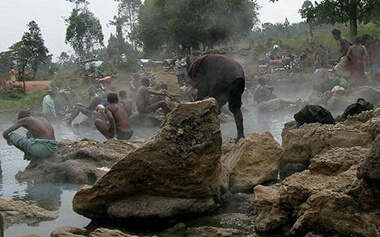
Kitagata Hot Springs are among the most famous natural hot springs in Uganda and one of the most intriguing attractions in the country’s western region. Located in Kitagata Town Council, Bushenyi District, approximately 350 kilometers southwest of Kampala, these geothermal springs attract thousands of visitors annually who come to experience their warm mineral-rich waters, cultural significance, and reputed healing properties.
Nestled amidst the rolling hills and lush landscapes of western Uganda, Kitagata Hot Springs provide a unique blend of natural beauty, traditional beliefs, local history, and scientific wonder. Whether you are a tourist exploring western Uganda, a traveler heading to Queen Elizabeth National Park, or someone interested in natural wellness experiences, a visit to Kitagata Hot Springs offers a memorable and fascinating experience.
The springs have become one of the most visited natural attractions in Bushenyi District and are often included in western Uganda safari itineraries due to their proximity to major tourism destinations.
Where Are Kitagata Hot Springs Located?
The hot springs are situated in Bushenyi District in southwestern Uganda, approximately:
- 350 kilometers from Kampala
- 40 kilometers from Mbarara City
- 70 kilometers from Queen Elizabeth National Park
- About 1 kilometer from Kitagata Trading Centre
The hot springs lie within a scenic area characterized by:
- Rolling hills
- Fertile valleys
- Tea plantations
- Banana plantations
- Green vegetation
- Rural communities
The surrounding landscape makes the journey to the springs enjoyable and provides excellent opportunities for photography and sightseeing.
Because of their strategic location, many travelers combine a visit to Kitagata Hot Springs with safaris to Queen Elizabeth National Park, Bwindi Impenetrable National Park, Lake Mburo National Park, or Rwenzori Mountains National Park.
The History of Kitagata Hot Springs
Kitagata Hot Springs hold significant historical and cultural importance among the people of western Uganda, particularly the Banyankole community.
According to local traditions, the springs were once used by the kings of the former Ankole Kingdom. One of the springs is known locally as Ekyomugabe, which translates to “The King’s Spring.”
The name reflects the belief that the kings and members of the royal family would visit the springs to relax, bathe, and enjoy the therapeutic effects of the naturally heated waters.
For generations, local communities have regarded the springs as sacred places endowed with special powers. Stories about healing, blessings, fertility, and spiritual cleansing continue to attract visitors from various parts of Uganda and neighboring countries.
Today, Kitagata, one of the tourist attractions in western Uganda remains one of Uganda’s best-known traditional wellness destinations.
Understanding the Formation of Kitagata Hot Springs
While cultural beliefs play a major role in the significance of Kitagata Hot Springs, science provides a fascinating explanation for their existence.
Hot springs occur when underground water is heated by geothermal energy beneath the Earth’s surface. Rainwater seeps deep into the ground through cracks and porous rocks, where it encounters heated rocks beneath the earth’s crust.
As the water heats up, pressure forces it back toward the surface, emerging as naturally heated springs.
The temperatures at Kitagata Hot Springs can reach approximately 80 degrees Celsius, making some sections of the springs extremely hot.
This geothermal activity is part of the broader geological processes associated with the East African Rift System, one of the world’s most active tectonic regions.
The Two Main Springs at Kitagata
Kitagata Hot Springs consist of two major springs located close to each other.
Ekyomugabe (The King’s Spring)
This spring is historically associated with the kings of Ankole.
It is one of the hottest sections of the site and remains a major attraction for visitors interested in the cultural history of the region.
Local traditions suggest that the spring was reserved for royal use and held special significance within the kingdom.
Mulago Spring
The second spring is known as Mulago, named after Uganda’s national referral hospital.
The name reflects the widespread belief that the spring possesses medicinal properties capable of treating various illnesses and health conditions.
Many visitors specifically come to Mulago Spring seeking relief from physical ailments, spiritual problems, and chronic conditions.
A Visit to Kitagata Hot Springs
A visit to Kitagata Hot Springs offers much more than simply viewing hot water emerging from the ground.
As visitors approach the springs, they are welcomed by breathtaking scenery featuring:
- Green hills
- Agricultural landscapes
- Fresh countryside air
- Traditional villages
- Tea estates
- Scenic valleys
The atmosphere around the springs is vibrant and lively.
During evenings, weekends, and public holidays, the site often attracts large crowds of visitors from different regions of Uganda.
The gathering of people creates an atmosphere that resembles a local marketplace, with visitors interacting, bathing, relaxing, and sharing stories about their experiences.
The springs provide an authentic glimpse into Uganda’s cultural diversity and traditional wellness practices.
Bathing Experience at Kitagata Hot Springs
One of the main activities at Kitagata is bathing in the warm mineral-rich waters.
The springs are divided into designated sections to accommodate different groups of visitors.
Typically:
- Men have their own bathing area.
- Women and children use separate sections.
This arrangement ensures privacy and comfort for all visitors.
Many people spend hours sitting on rocks or immersing themselves in the warm water while enjoying conversations and relaxation.
The natural warmth of the springs creates a spa-like experience without the need for artificial facilities.
The Healing Beliefs Surrounding Kitagata Hot Springs
The reputation of Kitagata Hot Springs as a healing destination is perhaps its most famous characteristic.
For decades, people have traveled from distant parts of Uganda seeking treatment and healing from various ailments.
Many visitors believe the waters can help with:
- Arthritis
- Rheumatism
- Joint pain
- Muscle aches
- Skin conditions
- Stress-related illnesses
- Fatigue
- Spiritual afflictions
Some visitors bathe regularly in the springs, while others drink small amounts of the mineral-rich water as part of traditional healing practices.
Although scientific evidence supporting these claims is limited, the springs continue to attract individuals who report experiencing relief after visiting.
The psychological and relaxation benefits associated with warm water therapy may contribute to the positive experiences many visitors describe.
Spiritual Significance of Kitagata Hot Springs
Beyond physical healing, the Hot Springs hold deep spiritual significance for many communities.
Traditional beliefs associate the springs with:
- Blessings
- Purification
- Spiritual cleansing
- Fertility
- Good fortune
- Protection from misfortune
Some visitors come specifically for prayer and spiritual reflection.
Religious groups occasionally organize visits to the springs as part of retreats and spiritual journeys.
The combination of natural beauty and cultural traditions contributes to the site’s enduring importance within local communities.
The Boiling Water Phenomenon
One of the most fascinating aspects of Kitagata is the extremely high temperature of certain sections.
Some areas are so hot that visitors can:
- Boil eggs
- Cook food
- Heat water for domestic use
Demonstrations involving boiling eggs in the spring water have become popular among tourists and first-time visitors.
These demonstrations provide a tangible illustration of the geothermal forces operating beneath the Earth’s surface.
Wildlife and Natural Environment Around Kitagata
Although primarily known for its hot springs, the surrounding environment offers additional attractions.
Visitors can enjoy:
- Bird watching
- Nature photography
- Scenic walks
- Rural cultural experiences
- Agricultural tourism
The area’s fertile soils support extensive farming activities, including:
- Tea cultivation
- Banana farming
- Coffee growing
- Dairy farming
The picturesque countryside adds to the overall appeal of the destination.
Best Time to Visit Kitagata Hot Springs
Kitagata Hot Springs can be visited throughout the year.
However, the dry seasons generally offer more comfortable travel conditions:
June to September
This period experiences relatively low rainfall and pleasant temperatures.
December to February
Another ideal time for exploring western Uganda and visiting the springs.
During the rainy seasons, roads may become muddy, but the springs remain accessible and attractive.
Combining Kitagata Hot Springs with Other Tourist Attractions
Many travelers include the Hot Springs as part of a broader western Uganda itinerary.
Popular nearby attractions include:
Queen Elizabeth National Park
Famous for:
- Tree-climbing lions
- Game drives
- Boat cruises on Kazinga Channel
- Bird watching
Rwenzori Mountains National Park
Known for:
- Mountain climbing
- Hiking adventures
- Glacial landscapes
Lake Mburo National Park
Offers:
- Walking safaris
- Zebra viewing
- Cycling safaris
Bwindi Impenetrable National Park
Home to:
- Mountain gorilla trekking
- Bird watching
- Forest walks
Igongo Cultural Centre
Showcases:
- Ankole culture
- Traditional architecture
- Historical exhibits
Combining these attractions creates a rich and diverse travel experience in western Uganda.
Conservation and Tourism Potential
Kitagata possess enormous potential as a wellness and cultural tourism destination.
Improved infrastructure and sustainable tourism development could enhance visitor experiences while preserving the site’s natural and cultural heritage.
Future opportunities include:
- Wellness tourism
- Cultural tourism
- Educational tourism
- Geothermal tourism
- Community-based tourism
Such initiatives could contribute significantly to local economic development.
Kitagata Hot Springs vs. Sempaya Hot Springs
Visitors often compare Kitagata Hot Springs with the famous Sempaya Hot Springs located in Semuliki National Park.
Kitagata Hot Springs
- Strong cultural significance
- Community-managed setting
- Traditional healing reputation
- Easy accessibility
Sempaya Hot Springs
- Located within a national park
- More developed tourism infrastructure
- Larger geothermal features
- Rich wildlife surroundings
Both destinations offer unique experiences and represent important geothermal attractions in Uganda.
Why Visit Kitagata Hot Springs?
There are many reasons why Kitagata Hot Springs deserve a place on every western Uganda itinerary:
- Experience one of Uganda’s most famous natural hot springs
- Learn about local cultural beliefs and traditions
- Enjoy beautiful countryside scenery
- Relax in naturally heated waters
- Explore a unique geothermal phenomenon
- Discover a historic attraction linked to the Ankole Kingdom
- Combine the visit with wildlife safaris and gorilla trekking adventures
Whether you are interested in nature, culture, wellness, history, or photography, Kitagata Hot Springs offer a rewarding experience.
Conclusion
The Kitagata Hot Springs stand among Uganda’s most fascinating natural attractions, combining geothermal wonder, cultural heritage, historical significance, and wellness traditions. Located in the beautiful landscapes of Bushenyi District, these mineral-rich springs have attracted visitors for generations seeking healing, relaxation, and spiritual renewal.
From the legendary King’s Spring of Ekyomugabe to the therapeutic waters of Mulago Spring, Kitagata continues to captivate travelers and local communities alike. Its accessibility, scenic setting, and rich cultural stories make it a worthwhile stop for anyone exploring western Uganda.
Whether you are traveling to Queen Elizabeth National Park, Bwindi Impenetrable Forest, or the Rwenzori Mountains, a visit to Kitagata Hot Springs provides an unforgettable opportunity to experience one of Uganda’s most treasured natural wonders.